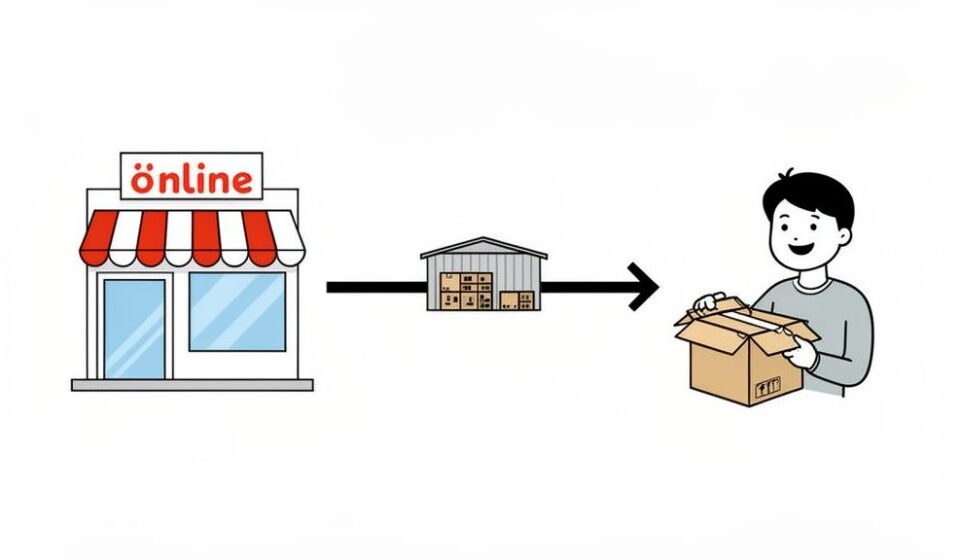

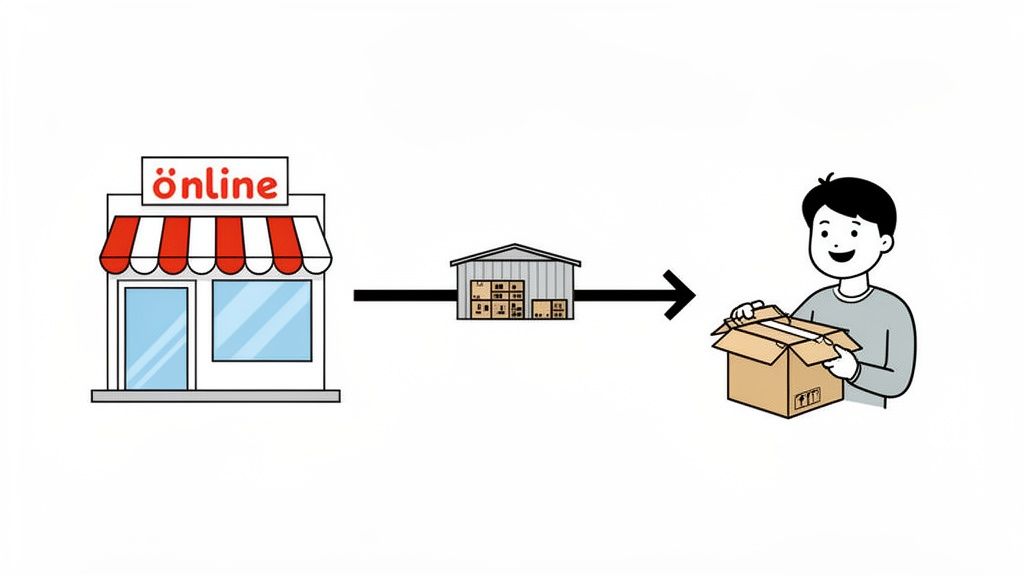
In recent business trends, Direct-to-Consumer (DTC) brands are rapidly reshaping the retail industry. Instead of relying on traditional middlemen like wholesalers and retailers, companies are now selling their products directly to customers through their own websites and platforms.
This shift is not just a trend—it’s a major transformation in how businesses connect with consumers.
📦 What Is the DTC Model?
The Direct-to-Consumer model allows brands to sell directly to customers without third-party involvement.
This means:
- No physical retail dependency
- No distributor margins
- Full control over pricing and branding
Brands can build a closer relationship with their customers while increasing profit margins.
🚀 Why DTC Brands Are Growing Fast
Several factors are driving the growth of DTC businesses:
- E-commerce Boom – More people are shopping online than ever before
- Social Media Marketing – Platforms like Instagram and Facebook allow direct customer targeting
- Lower Entry Barriers – Starting an online store is easier and more affordable
These factors have made it possible for even small startups to compete with established brands.
🎯 Strong Focus on Branding
DTC brands don’t just sell products—they sell experiences.
They focus on:
- Unique brand identity
- High-quality product presentation
- Storytelling and emotional connection
Because they interact directly with customers, they can build strong loyalty and trust.
📊 Data-Driven Decision Making
One of the biggest advantages of DTC brands is access to customer data.
They can track:
- Buying behavior
- Customer preferences
- Engagement patterns
This data helps businesses improve their products, marketing strategies, and overall customer experience.
⚠️ Challenges in the DTC Space
Despite its advantages, the DTC model also comes with challenges:
- High competition in online markets
- Increasing advertising costs
- Logistics and delivery management
- Customer acquisition becoming expensive
To succeed, brands must constantly innovate and optimize their strategies.
💡 The Role of Technology
Technology plays a key role in DTC success.
Tools like:
- E-commerce platforms
- Marketing automation
- Customer relationship management (CRM)
help businesses streamline operations and scale efficiently.
🔮 The Future of DTC
The DTC model is expected to grow even further in the coming years.
We may see:
- More personalized shopping experiences
- Faster delivery systems
- Greater use of AI in marketing and customer service
Brands that adapt to these trends will have a strong advantage.
🔥 Final Thoughts
Direct-to-Consumer brands are redefining how businesses sell and how customers shop.
For entrepreneurs and startups:
- DTC offers a low-barrier entry into the market
- It allows direct customer relationships
- It provides better control over business growth
However, success requires strong branding, smart marketing, and continuous improvement.
The future of retail is direct—and it’s already here. 🚀