
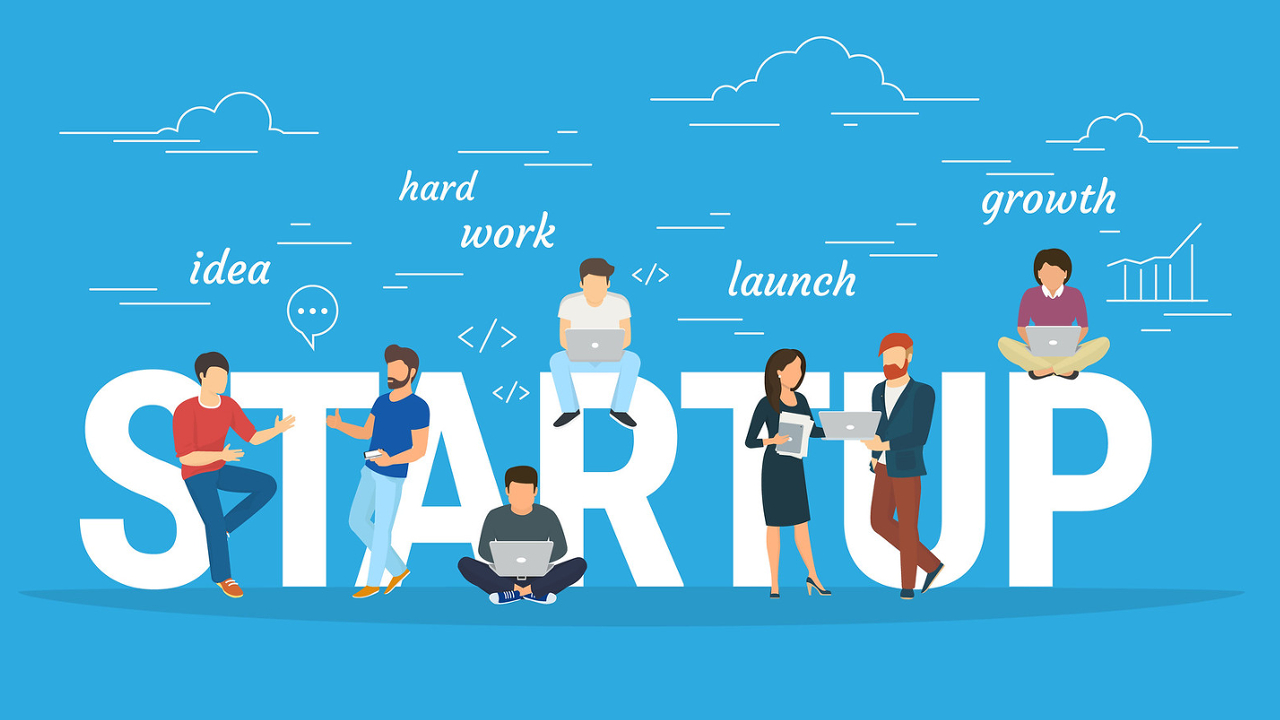

Starting a startup is often portrayed as an exciting journey filled with innovation, rapid growth, and financial success. Social media highlights funding announcements, success stories, and “unicorn” companies that seem to rise overnight. But the truth is very different. The real startup journey is messy, uncertain, and filled with challenges that most people never see.
If you’re planning to start your own venture—or you’re already in the early stages—understanding this reality can help you stay grounded and prepared.
🌟 The Startup Dream vs Reality
The “startup dream” is appealing: you build a product, users love it instantly, investors fund you, and your business scales quickly.
In reality, most startups begin with:
- No users
- No revenue
- No clear roadmap
- Limited resources
Instead of immediate success, founders often face confusion and doubt. You may question your idea, your decisions, and even your abilities. This phase is not failure—it’s part of the process.
⚙️ The Early Stage Struggles
The beginning of a startup is usually the hardest phase. You’re doing everything yourself—product development, marketing, customer support, and strategy.
Some common challenges include:
1. Lack of Direction
At first, you might not fully understand your target audience or how to reach them. Your initial plan will likely change multiple times.
2. Slow Progress
Growth rarely happens quickly. Getting your first 10 or 100 users can take much longer than expected.
3. Rejection and Feedback
People may not be interested in your product. Some will ignore you, others will criticize. While difficult, this feedback is valuable.
4. Financial Pressure
Without steady income, managing expenses becomes a challenge. Many founders bootstrap or work side jobs during this phase.
🧠 The Mental Game
One of the most underestimated parts of building a startup is the mental challenge.
You’ll deal with:
- Self-doubt
- Stress and uncertainty
- Fear of failure
There will be days when nothing seems to work. The ability to stay focused and keep going despite setbacks is what separates successful founders from those who quit early.
Building a startup is as much a mental game as it is a business challenge.
🔄 Why Progress Matters More Than Perfection
Many beginners wait for the “perfect” product before launching. This is a mistake.
Perfection slows you down. Progress moves you forward.
Instead of trying to build the perfect solution:
- Launch a basic version (MVP)
- Get real user feedback
- Improve continuously
Your first version will not be perfect—and that’s okay. What matters is learning and improving quickly.
📈 Small Wins Lead to Big Success
Success in startups doesn’t come from one big breakthrough. It comes from small, consistent improvements over time.
Examples of small wins:
- Getting your first user
- Receiving positive feedback
- Fixing a key issue in your product
- Increasing engagement slightly
These small steps build momentum. Over time, they compound into significant growth.
🤝 The Importance of Patience
Startups take time—often more than expected. Many successful companies took years before becoming profitable or widely recognized.
If you expect quick results, you’ll likely get discouraged. But if you understand that growth is gradual, you’ll be better prepared to stay committed.
Patience, combined with consistent effort, is one of the most powerful advantages a founder can have.
🔥 Final Thoughts
The reality of starting up is not glamorous—but it is rewarding for those who persist. It’s a journey filled with learning, growth, and resilience.
If you’re starting out, remember:
- It’s okay to feel uncertain
- It’s normal to struggle in the beginning
- Progress is more important than perfection
- Consistency is the key to success
Most importantly, don’t quit too early. Many startups fail not because the idea was bad, but because the founder gave up before it had a chance to succeed.
Stay patient, keep building, and trust the process. 🚀